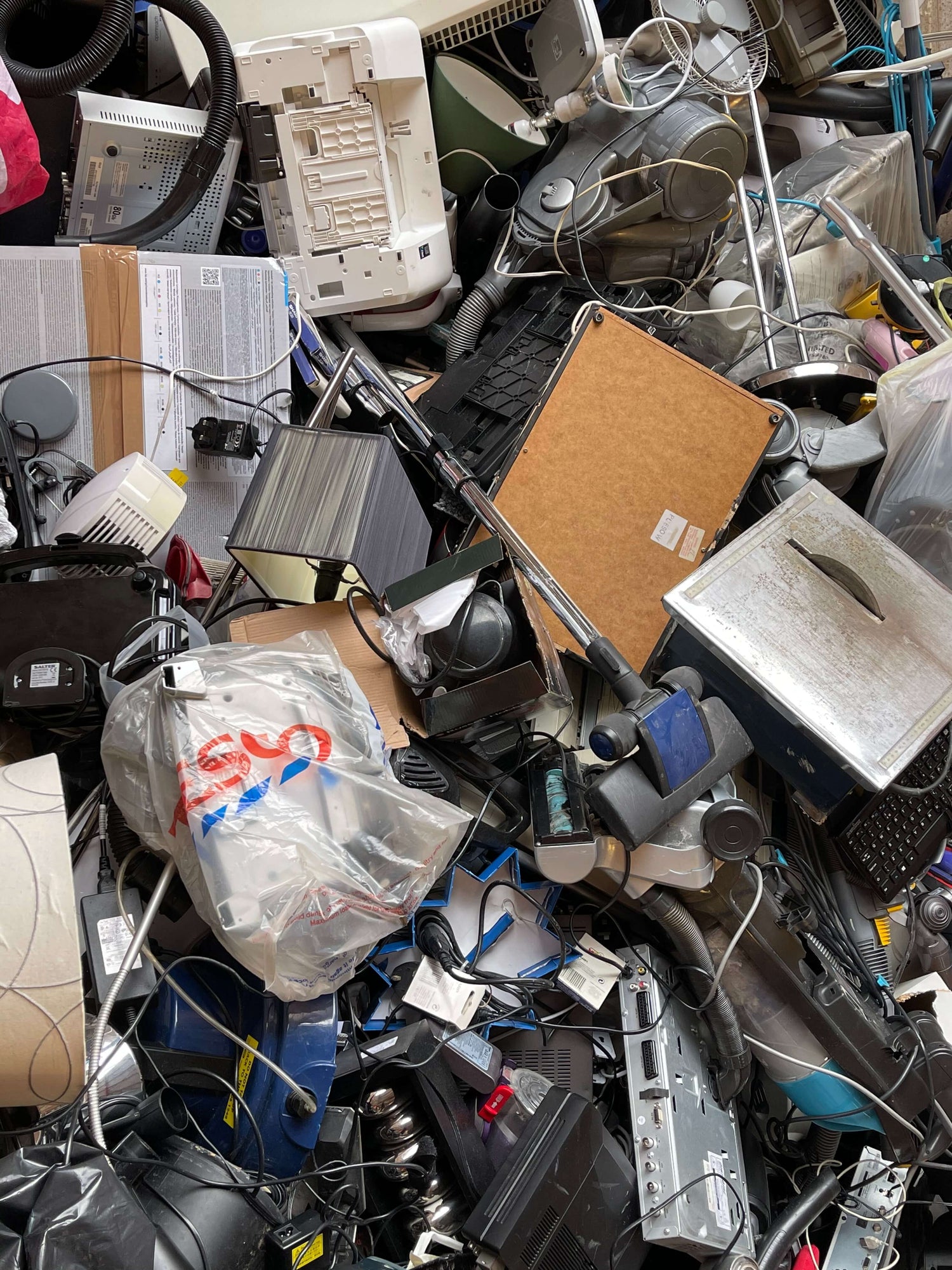
Het beheer van e-waste wordt een steeds grotere verantwoordelijkheid voor producenten, importeurs en verkopers over de hele wereld. Naarmate technologie evolueert en productlevenscycli korter worden, staan bedrijven steeds meer onder druk om hun verplichtingen onder AEEA- en UPV-kaders te begrijpen en na te komen.
Toch is naleving zelden eenvoudig. Veel bedrijven kampen met onduidelijke regelgeving, uiteenlopende nationale regels en verschillende vereisten in verschillende landen. Handmatige UPV-rapportage processen, verstrooide data en veranderende categorieën maken de verwarring alleen maar groter, waardoor wat een gestructureerde verantwoordelijkheid zou moeten zijn, verandert in een complexe administratieve uitdaging.
Op deze pagina wordt uitgelegd wat naleving van de AEEA en UPV inhoudt, waarom dit belangrijk is en hoe dit kader de toekomst van verantwoord beheer van e-waste vormgeeft.
AEEA & UPV: De regels achter e-waste
AEEA & UPV:
Een dynamisch duo
AEEA-richtlijnen en uitgebreide producentenverantwoordelijkheid (UPV) transformeren het afvalbeheer. Terwijl AEEA zich richt op elektronica, werpt UPV een breder net uit en houdt producenten verantwoordelijk voor de hele levenscyclus van hun producten. Samen veranderen ze onze benadering van afval, van product tot product.
-
Wie is verantwoordelijk voor e-waste compliance?
Volgens de UPV-regelgeving voor e-waste ligt de verantwoordelijkheid voor de naleving van de AEEA-richtlijn bij de “producent”, de partij die elektronische producten op de markt brengt in een land. Dit kunnen fabrikanten zijn die onder hun eigen merknaam verkopen, importeurs die producten uit het buitenland invoeren en marktplaatsverkopers die rechtstreeks aan consumenten leveren. Een bedrijf wordt als producent beschouwd als het een product voor het eerst op de nationale markt brengt. Dit zorgt ervoor dat voor elk product een duidelijk verantwoordelijke entiteit is aangewezen die verantwoordelijk is voor de inzameling, recycling en correcte verwerking ervan.
-
Welke producten vallen onder AEEA?
De AEEA-regelgeving dekt een breed scala aan elektrische en elektronische producten, van alledaagse huishoudelijke artikelen tot speciale apparatuur. Hieronder vallen telefoons, printers , grote en kleine apparaten, lampen en elektrisch gereedschap. Ook apparaten op batterijen en kleine elektronische apparaten zoals elektrische tandenborstels of smartwatches vallen hieronder. In het algemeen geldt dat als een product voor zijn werking afhankelijk is van elektriciteit of batterijen, het waarschijnlijk onder de AEEA-regelgeving valt en op de juiste wijze moet worden geregistreerd en gerecycled.
Registreren voor AEEA-naleving
De registratievereisten voor AEEA verschillen per land, waardoor naleving een complexe stap is voor elk bedrijf dat elektronica op de markt brengt. Elke nationale autoriteit, zoals EAR in Duitsland of ADEME in Frankrijk, heeft zijn eigen procedures, categorieën en rapportagesystemen. Producenten moeten zich registreren voordat ze producten verkopen en daarbij gegevens delen zoals bedrijfsinformatie, producttypes en verwachte volumes. Omdat er geen uniform EU-breed proces bestaat, moeten bedrijven die in meerdere landen actief zijn, verschillende systemen en tijdschema's volgen om volledige compliance van de AEEA-regels te bereiken.
Beheersing van AEEA-management
Het beheersen van AEEA-management begint aan de basis met speciale inzamelpunten, terugnameregelingen en een holistische aanpak van e-waste. Het ingezamelde afval wordt behandeld om gevaarlijke componenten veilig te verwijderen. Efficiënte recyclingprocessen doorzoeken dit afval vervolgens om materialen te winnen voor hergebruik. En voor restanten die niet kunnen worden gerecycled, wordt milieuvriendelijke verwijdering verzorgd voor een minimale impact op het milieu.

Vereenvoudig AEEA- en UPV-compliance met ForSURE
Onze UPV-software vereenvoudigt elk aspect van AEEA- en UPV-compliance door rapportage en datavalidatie voor meerdere landen te automatiseren. Met specifieke workflows die zijn afgestemd op nationale vereisten, garandeert het nauwkeurigheid en consistentie bij elke indiening. Naarmate jouw bedrijf groeit, kan het platform worden uitgebreid met ondersteuning voor nieuwe producten, markten en rapportageverplichtingen, waardoor compliancebeheer efficiënt, betrouwbaar en groeiklaar is.
Consumenten in
hun kracht zetten
Met AEEA-richtlijnen die de industrie vormgeven, zorgt effectief AEEA-beheer ervoor dat consumenten niet alleen geïnformeerd maar ook gesterkt worden, duidelijkheid vinden in productlabels en milieubewuste beslissingen nemen. Recycling is nog nooit zo eenvoudig geweest, met producenten die toegankelijke centra opzetten. En wat winkelen betreft? De elektronicamarkt ondergaat een groene transformatie en biedt een scala aan milieuvriendelijke opties.
Ga vandaag nog aan de slag met compliance voor e-waste
Klaar om controle te nemen over jouw e-waste compliance? Boek een demo, praat met ons team of check je huidige verplichtingen om te zien waar je staat. Met snelle onboarding en toegewijde support is beginnen makkelijk, zodat je zonder vertraging volledige AEEA- en UPV-compliance kan realiseren om je te focussen op het duurzaam laten groeien van je bedrijf.

FAQ over AEEA en UPV-compliance voor e-waste
-
Wat is e-waste?
-
Waar staat AEEA voor?
-
Wat is het verschil tussen AEEA en UPV?
-
Wie is verantwoordelijk voor de naleving van de AEEA-richtlijn?
-
Welke elektronische producten vallen onder de AEEA-regelgeving?
-
Moet ik me registreren voor AEEA als ik elektronica importeer of verkoop?
-
Wat zijn de belangrijkste verplichtingen onder AEEA/UPV?
-
Ondersteunt jullie software de naleving van de AEEA in meerdere landen?
-
Is naleving van de AEEA vereist voor zowel B2B- als B2C-elektronica?
-
Zijn de AEEA-regels van toepassing op apparaten op batterijen of kleine elektronische apparaten?
Toekomstgerichte AEEA-oplossingen
AEEA is een visie op een duurzame co-existentie tussen elektronica en het milieu. Met tools zoals ForSURE en een wereldwijde toewijding aan AEEA is een harmonieuze toekomst een tastbaar doel. AEEA is onze toewijding aan een groenere toekomst. Terwijl we de uitdagingen van elektronisch afval het hoofd bieden, brengt elke stap die wordt gezet, elke tool die wordt gebruikt en elke richtlijn die wordt gevolgd ons dichter bij een duurzame toekomst. AEEA-beheer krijgt een digitale upgrade met ForSURE. ForSURE is ontworpen om AEEA-compliance te stroomlijnen en biedt flexibiliteit voor uiteenlopende bedrijfsbehoeften. Van het verwerken van verschillende datastructuren tot het aanbieden van regio-specifieke templates: ForSURE is de partner die bedrijven nodig hebben bij hun AEEA-compliance. Klaar om jouw datavprocessen te transformeren? Ontdek de mogelijkheden van ForSURE en til jouw AEEA-databeheer naar een hoger niveau.
UPV Nieus Hub
-

EPR Declaration Software
EPR declaration software automates the process of collecting, calculating, validating, and preparing the data businesses must report under Extended Producer Responsibility regulations. Preparing Extended Producer Responsibility (EPR) declarations should...
-

UPV/EPR voor bol-verkopers
Ontdek wat UPV/EPR betekent voor jouw bedrijf, welke producten onder de regelgeving vallen en hoe ForSURE, als Bronze Partner, geautomatiseerde EPR-rapportages in Nederland en België vereenvoudigt.
-

Automated EPR Reporting
Automated EPR reporting helps businesses replace repetitive spreadsheet work with structured workflows that validate data, apply reporting logic, generate reporting-ready outputs, track deadlines, and improve traceability across countries and categories.


- Een selectie kiezen resulteert in het geheel verversen van de pagina.
- Opent in een nieuw venster.