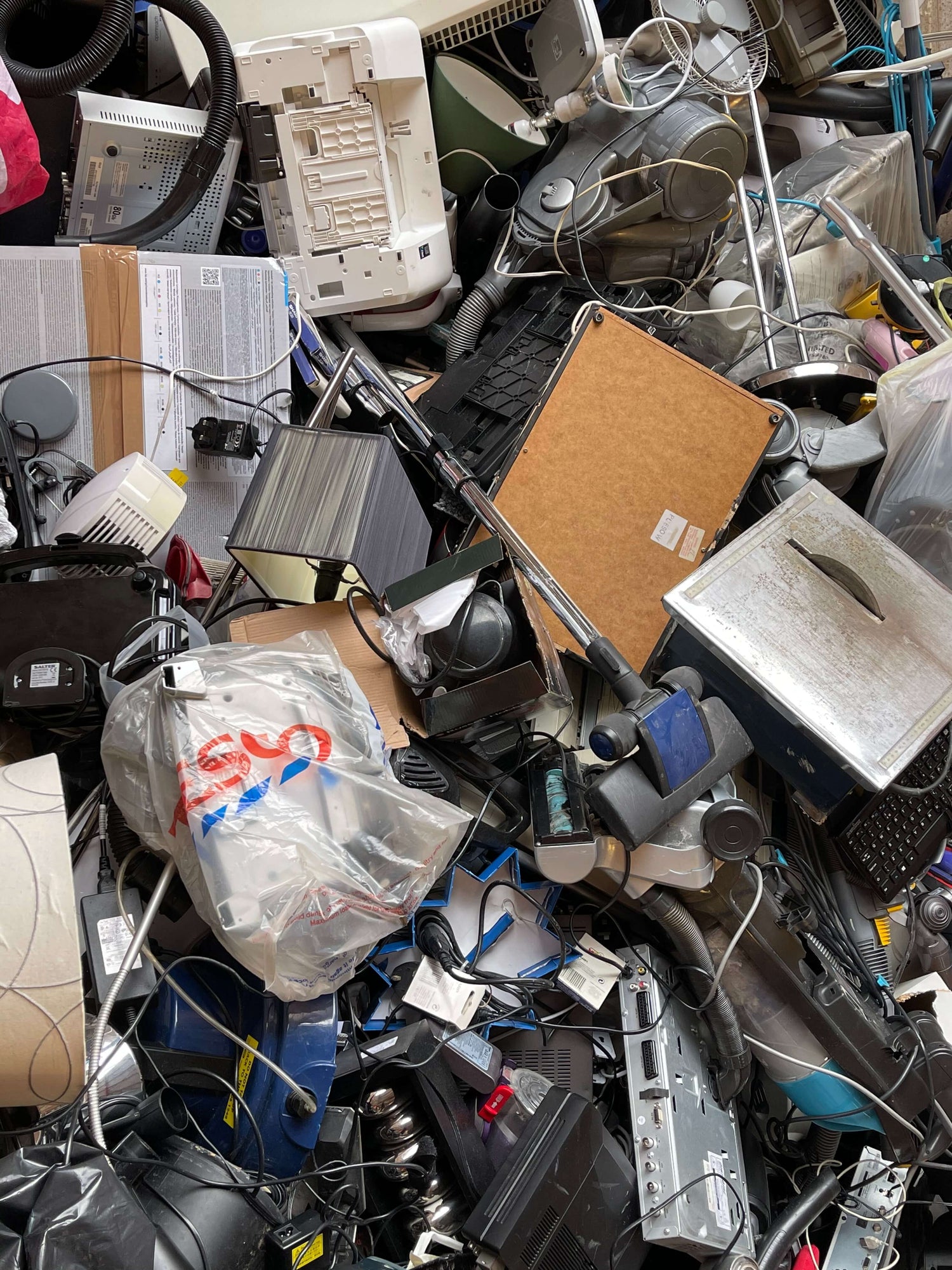
Die Entsorgung von Elektroaltgeräten wird weltweit zu einer immer größeren Verantwortung für Hersteller, Importeure und Händler. Mit dem rasanten technologischen Fortschritt und den kürzer werdenden Produktlebenszyklen stehen Unternehmen zunehmend unter Druck, ihre Verpflichtungen im Rahmen von WEEE- und EPR-Vorgaben zu verstehen und einzuhalten.
Die Einhaltung dieser Vorschriften ist jedoch selten einfach. Viele Unternehmen kämpfen mit unklaren gesetzlichen Anforderungen, fragmentierten nationalen Regelungen und unterschiedlichen Vorgaben in verschiedenen Ländern. Manuelle EPR-Meldeprozesse, verstreute Datenquellen und sich ständig weiterentwickelnde Produktkategorien erschweren die Situation zusätzlich und machen aus einer eigentlich strukturierten Verpflichtung eine komplexe administrative Herausforderung.
Auf dieser Seite erfahren Sie, was WEEE- und EPR-Compliance bedeutet, warum sie wichtig ist und wie dieses Regelwerk die Zukunft einer verantwortungsvollen Entsorgung von Elektroaltgeräten prägt.
Der Kern der Sache: Warum WEEE?
WEEE & EPR:
Ein dynamisches Duo
Die WEEE-Richtlinien und die erweiterte Herstellerverantwortung (EPR) verändern die Abfallwirtschaft grundlegend. Während sich WEEE auf Elektronikgeräte konzentriert, greift EPR weiter und macht Hersteller für den Lebenszyklus all ihrer EPR relevanten Produkte verantwortlich. Gemeinsam gestalten sie unseren Umgang mit Abfall neu, Produkt für Produkt, Kategorie für Kategorie.
-
Wer ist für die Elektroaltgeräte-Compliance verantwortlich?
Im Rahmen der WEEE-Vorschriften liegt die Verantwortung für die Einhaltung der Anforderungen beim „Hersteller“, also dem Unternehmen, das ein elektronisches Produkt erstmals in einem bestimmten Land auf den Markt bringt. Dazu zählen Hersteller, die Elektronik unter ihrer eigenen Marke vertreiben, Importeure, die Produkte aus dem Ausland einführen, sowie Online- und Marktplatzhändler, die Waren direkt an Endkunden verkaufen. Ein Unternehmen gilt als Hersteller, wenn es ein Produkt erstmals in den nationalen Markt einführt. Dadurch wird sichergestellt, dass für jedes Produkt eine eindeutig verantwortliche Stelle für Registrierung, Sammlung, Recycling und die umweltgerechte Entsorgung existiert.
-
Welche Produkte fallen unter die WEEE-Richtlinie?
Die WEEE-Vorschriften erfassen eine breite Palette elektrischer und elektronischer Produkte von alltäglichen Haushaltsgeräten bis hin zu spezialisiertem Equipment. Dazu gehören Smartphones, Computer, Drucker, Fernseher, große und kleine Haushaltsgeräte, Beleuchtungsprodukte wie LED-Lampen sowie Elektrowerkzeuge. Auch batteriebetriebene Geräte und kleine Elektronikprodukte wie elektrische Zahnbürsten, Kopfhörer oder Smartwatches fallen darunter. Grundsätzlich gilt: Wenn ein Produkt Strom oder Batterien für seine Funktion benötigt, fällt es wahrscheinlich in den Anwendungsbereich der WEEE-Richtlinie und muss am Ende seines Lebenszyklus ordnungsgemäß registriert, gesammelt und recycelt werden.
Wie erfolgt die Registrierung für die WEEE-Compliance?
Die Anforderungen für die WEEE-Registrierung unterscheiden sich von Land zu Land und machen die Einhaltung der Vorschriften zu einer wichtigen, aber oft komplexen Aufgabe. Jede nationale Behörde, beispielsweise die Stiftung EAR in Deutschland oder ADEME in Frankreich, verfügt über eigene Prozesse, Produktkategorien und Meldesysteme. Unternehmen müssen sich registrieren, bevor sie Elektro- und Elektronikgeräte verkaufen, und dabei Informationen wie Unternehmensdaten, Produktarten und erwartete Mengen angeben. Da es kein einheitliches Registrierungsverfahren für die gesamte EU gibt, müssen Unternehmen mit Aktivitäten in mehreren Ländern die jeweiligen nationalen Anforderungen und Fristen beachten, um die WEEE-Vorgaben vollständig einzuhalten.
WEEE-Management meistern
Ein effektives WEEE-Management beginnt mit gut zugänglichen Sammelstellen, innovativen Rücknahmesystemen und einem ganzheitlichen Umgang mit Elektroaltgeräten. Die gesammelten Abfälle werden anschließend behandelt, um gefährliche Bestandteile sicher zu entfernen. Moderne Recyclingverfahren ermöglichen die Rückgewinnung wertvoller Rohstoffe für die Wiederverwendung. Nicht verwertbare Reststoffe werden schließlich umweltgerecht entsorgt, um die Auswirkungen auf die Umwelt so gering wie möglich zu halten.

Vereinfachen Sie WEEE- und EPR-Compliance mit ForSURE
Unsere EPR-Software vereinfacht die Einhaltung von WEEE- und EPR-Vorgaben, indem sie Berichterstattung und Datenvalidierung über mehrere Märkte hinweg automatisiert. Länderspezifische Workflows, die auf nationale Anforderungen abgestimmt sind, sorgen für präzise und konsistente Meldungen. Mit dem Wachstum Ihres Unternehmens skaliert die Plattform nahtlos mit und unterstützt neue Produkte, Märkte und Berichtspflichten. So wird Compliance-Management effizient, zuverlässig und zukunftssicher.
Stärkung der Verbraucher
Da die WEEE-Richtlinien die Branche prägen, sorgt ein effektives WEEE-Management dafür, dass Verbraucher nicht nur informiert, sondern auch befähigt werden, Produktetiketten verständlich zu lesen und umweltbewusste Entscheidungen zu treffen. Recycling war noch nie so einfach, da Hersteller gut erreichbare Recyclinghöfe einrichten. Und wie sieht es beim Einkaufen aus? Der Elektronikmarkt befindet sich im Wandel hin zu mehr Nachhaltigkeit und bietet eine Reihe umweltfreundlicher Alternativen.
Starten Sie noch heute mit der Elektroaltgeräte-Compliance
Sind Sie bereit, Ihre Elektroaltgeräte-Compliance unter Kontrolle zu bringen? Fragen Sie eine Demo an, sprechen Sie mit unserem Team oder prüfen Sie Ihre aktuellen Verpflichtungen, um Ihren Compliance-Status zu bewerten. Dank schneller Implementierung und persönlicher Unterstützung gelingt der Einstieg unkompliziert. So stellen Sie die Einhaltung aller WEEE- und EPR-Anforderungen sicher und können sich auf nachhaltiges Wachstum Ihres Unternehmens konzentrieren.

FAQ Über WEEE & E-Waste EPR Compliance
-
Was ist Elektroschrott (E-Waste)?
-
Wofür steht WEEE?
-
Was ist der Unterschied zwischen WEEE und EPR?
-
Wer ist für die WEEE-Compliance verantwortlich?
-
Welche elektronischen Produkte fallen unter die WEEE-Vorschriften?
-
Muss ich mich für WEEE registrieren, wenn ich Elektrogeräte importiere oder verkaufe?
-
Was sind die wichtigsten Pflichten im Rahmen von WEEE/EPR?
-
Unterstützt Ihre Software die WEEE-Compliance in mehreren Ländern?
-
Gilt die WEEE-Compliance sowohl für B2B- als auch für B2C-Elektronik?
-
Gelten die WEEE-Vorschriften auch für batteriebetriebene oder kleine Elektronikgeräte?
Zukunftsorientierte WEEE-Lösungen
WEEE ist nicht nur eine Richtlinie, sondern eine Vision für ein nachhaltiges Zusammenspiel von Elektronik und Umwelt. Mit Lösungen wie ForSURE und dem weltweiten Engagement für WEEE wird diese Vision zu einem greifbaren Ziel. WEEE steht für die Verantwortung, eine nachhaltigere Zukunft zu gestalten. Jede Maßnahme zur Reduzierung von Elektroschrott, jedes eingesetzte Werkzeug und jede eingehaltene Vorschrift trägt dazu bei, Ressourcen zu schonen und den Weg für kommende Generationen zu ebnen.
EPR-Aktuell
-

EPR Declaration Software
EPR declaration software automates the process of collecting, calculating, validating, and preparing the data businesses must report under Extended Producer Responsibility regulations. Preparing Extended Producer Responsibility (EPR) declarations should...
-

UPV/EPR for bol Sellers
Selling on bol? Learn what UPV/EPR means for your business, which products require compliance, and how ForSURE, a Bronze Partner, simplifies automated EPR reporting across the Netherlands and Belgium.
-

Automated EPR Reporting
Automated EPR reporting helps businesses replace repetitive spreadsheet work with structured workflows that validate data, apply reporting logic, generate reporting-ready outputs, track deadlines, and improve traceability across countries and categories.


- Wenn du dich für eine Auswahl entscheidest, wird die Seite komplett aktualisiert.
- Wird in einem neuen Fenster geöffnet.